Adult ADHD resource hub
ADHD, Reward Seeking & Recovery
Understanding why some adults with ADHD may be more vulnerable to substance misuse, compulsive behaviours and unhealthy reward-seeking patterns.
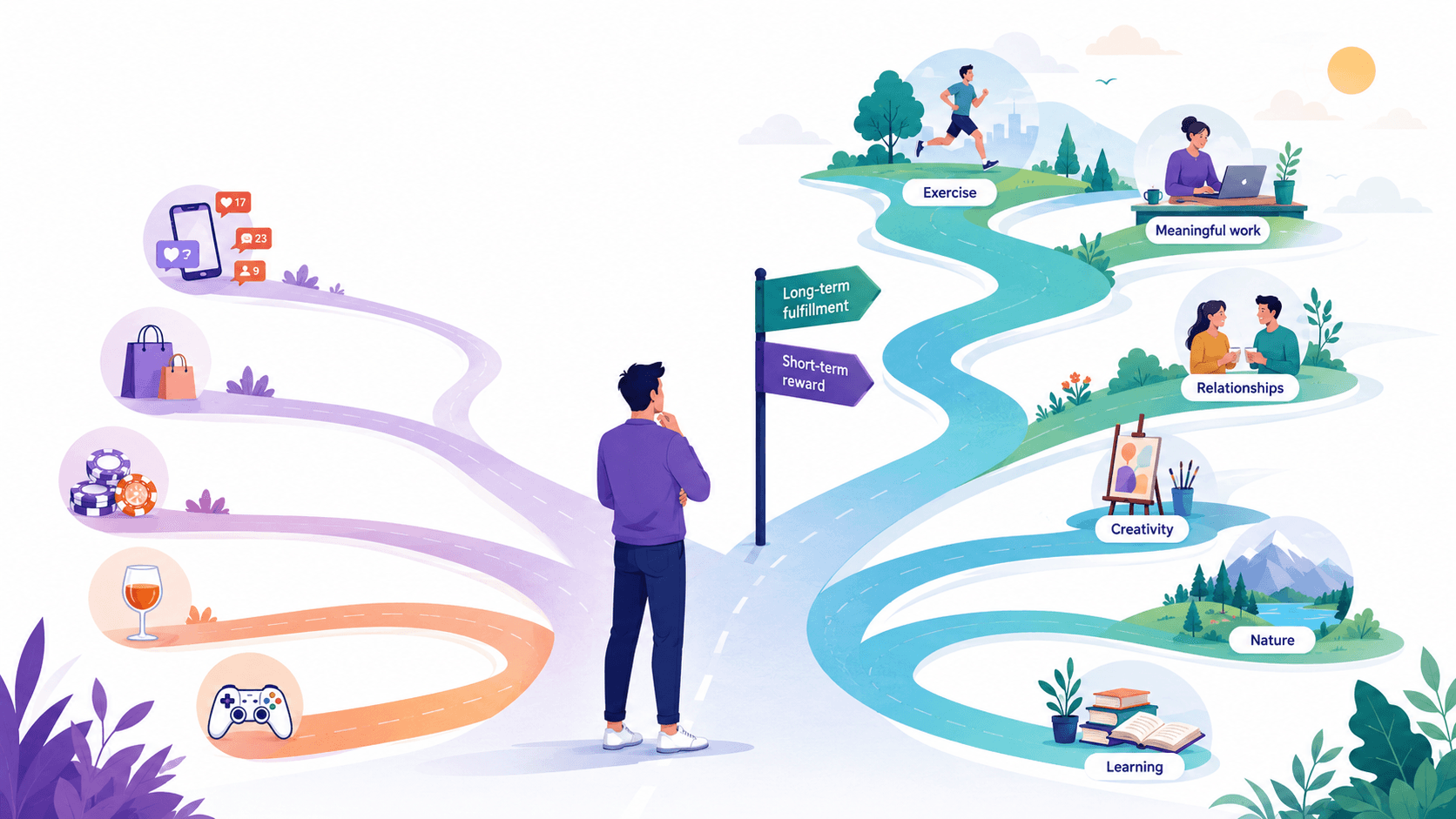
Understanding before judgement
Many patterns make more sense when we look at the need underneath the behaviour.
Hub purpose
This hub helps adults understand the links between ADHD, substance misuse and compulsive behaviours, so people can make sense of their own patterns and understand each other more clearly.
Understanding the missing piece
Many adults spend years trying to understand why they struggle with alcohol, nicotine, gambling, shopping, social media, binge eating or other compulsive behaviours.
For some, an ADHD diagnosis provides the missing piece of the puzzle.
This does not mean ADHD causes addiction, nor does it mean every person with ADHD will experience difficulties with substance misuse or compulsive behaviours.
However, research suggests that adults with ADHD are more vulnerable to difficulties involving reward seeking, impulsivity and substance misuse than adults without ADHD.
At Work Wise ADHD, we believe understanding should come before judgement. This resource hub has been created to help adults better understand the relationship between ADHD, reward seeking and recovery.
At a glance
A practical way to use this hub
Start with the need underneath the behaviour, then look for patterns and safer alternatives.
- Step 1
Understand the need
What was the behaviour helping with?
- Step 2
Notice the pattern
When does it happen, and what changes after?
- Step 3
Build alternatives
What healthier reward could meet the same need?
Last reviewed: 8 June 2026. Clinical content should be reviewed by the site owner before publication.
A common pattern
The reward-seeking cycle
The behaviour often makes more sense when we look at what happens before, during and after it.
Need
Boredom, stress, overwhelm, low motivation or racing thoughts.
Quick reward
A behaviour gives fast relief, stimulation, comfort or focus.
Short-term change
The brain gets a brief sense of calm, interest or control.
Longer-term cost
The pattern can create guilt, health risks, money stress or loss of confidence.
Work Wise Insight
Recovery is not just about removing a behaviour. It is about understanding what that behaviour was helping you achieve and finding healthier ways to meet the same need.
Why this matters for adults with ADHD
ADHD is often described as a condition affecting attention and concentration. For many adults, the bigger picture includes regulation, reward and motivation.
Attention is only one part
ADHD can also affect motivation, reward, emotional regulation and the ability to pause before acting.
Quick rewards can feel powerful
Fast relief, stimulation or comfort can become tempting when daily life feels under-stimulating or overwhelming.
Patterns can be misunderstood
Many adults blame themselves for behaviours that may be linked to regulation, stress, boredom or emotional overload.
Understanding reduces shame
Seeing the pattern clearly can make it easier to ask for help and build healthier sources of reward.
ADHD, reward seeking and recovery: key facts
1 in 4
Adults with ADHD may experience a substance use disorder during their lifetime.
1 in 4
People seeking treatment for substance misuse may also meet criteria for ADHD.
Often missed
ADHD frequently remains unidentified within addiction and recovery services.
Higher risk
Adults with ADHD may be more vulnerable to alcohol misuse, nicotine dependence, gambling and compulsive reward-seeking behaviours.
Figures vary between studies and populations. Statistics should be read as broad indicators of increased risk, not as predictions for any individual person.
ADHD can affect more than attention
Many adults are searching for a way to feel
What do we mean by reward seeking?
Reward seeking is human
We all seek experiences that help us feel good, reduce stress or increase motivation.
ADHD can make the pull stronger
For some adults, stimulation, novelty or relief can feel particularly powerful.
Function matters
The behaviour itself is often less important than the purpose it serves.
Examples may include
- Alcohol
- Nicotine
- Recreational drugs
- Gambling
- Online shopping
- Social media scrolling
- Gaming
- Binge eating
- Workaholism
- Risk-taking behaviours
Understanding the function of the behaviour
Instead of only asking:
"Why can't I stop doing this?"
Try asking:
"What is this behaviour helping me achieve?"
Understanding the function of a behaviour does not excuse harm. It creates a starting point for change.
It may be providing
Relief
from emotional overwhelm
Stimulation
during boredom
Escape
from racing thoughts
Confidence
in difficult moments
Control
when life feels unpredictable
Comfort
when emotions feel too much
Work Wise Insight
Many adults with ADHD do not have a motivation problem. They have a regulation problem. The challenge is not always wanting to do something. The challenge is consistently accessing the focus, structure and motivation needed to follow through.
Explore the articles
These adult ADHD and recovery articles are being prepared. They are listed here so the hub has a clear direction without implying that treatment is being provided.
Coming soon
Why Are Adults With ADHD More Vulnerable To Addictive Behaviours?
Understanding the relationship between ADHD, reward systems, impulsivity and addiction risk.
Coming soon
Recovery After An ADHD Diagnosis: Why Everything Suddenly Makes Sense
Exploring why many adults describe diagnosis as finally finding the missing piece of the puzzle.
Coming soon
ADHD And Alcohol: Self-Medicating A Busy Mind?
Why alcohol may feel helpful in the short term and why it often creates additional difficulties over time.
Coming soon
ADHD And Nicotine: Why So Many Adults Say It Helps Them Focus
Exploring the relationship between ADHD, nicotine and attention.
Coming soon
ADHD And Gambling: The Search For Stimulation
Understanding why risk, novelty and uncertainty can feel particularly rewarding for some adults with ADHD.
How this connects with Work Wise ADHD
Work Wise ADHD is focused on adult ADHD education, practical tools, review preparation and planned clinical medication pathways subject to appropriate registration and governance.
This recovery-focused resource hub fits within that wider mission because many adults with ADHD are not only trying to manage symptoms. They are also trying to understand years of coping strategies, shame, impulsive decisions, burnout and patterns that may have affected work, relationships and health.
The aim is not to label people. The aim is to help adults understand themselves more clearly and access the right support.
How this connects with Titrio Focus
Understanding patterns is often easier when you can see them clearly.
Titrio Focus helps adults monitor daily symptoms, sleep, mood, stress, medication effects and review preparation.
Structured tracking can help people recognise patterns and prepare for more productive conversations with healthcare professionals.
Titrio Focus does not provide addiction treatment, clinical advice or automated decision-making.
Educational information only
This page is for general educational information only. It is not medical advice, addiction treatment, therapy, diagnosis, prescribing support, crisis support or a replacement for care from a qualified professional.
If you are concerned about alcohol, drugs, gambling, compulsive behaviours, withdrawal, relapse risk or your safety, contact your GP, NHS 111, a local addiction service, or emergency services if there is immediate risk.
Want more adult ADHD resources like this?
Browse the wider resources, explore Titrio Focus, or use the contact page for non-urgent questions.